

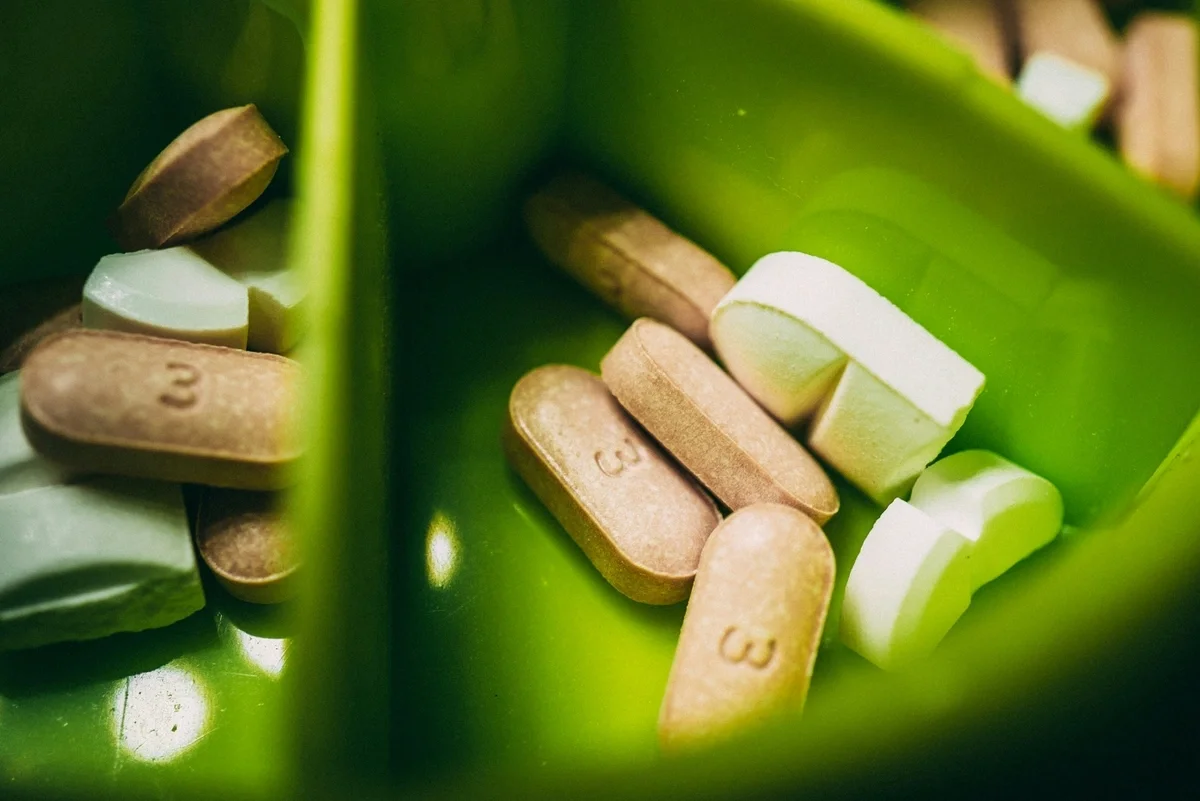
Folic Acid Awareness Week: Why It Matters Before Pregnancy
When should you start thinking about folic acid? Ideally, before you see a positive pregnancy test.
Folic Acid Awareness Week is a good reminder that preparing for pregnancy can start well before conception. Folic acid, the supplemental form of vitamin B9 (folate), plays an important role in early fetal development—often during the first few weeks of pregnancy, when you may not even know you're pregnant yet.
Whether you're trying to conceive on your own or preparing for fertility treatment, it's worth making folic acid part of your daily routine.
Why Is Folic Acid Important Before Pregnancy?
Folate helps the body make new cells and is especially important during periods of rapid growth.
Getting enough folic acid before and during early pregnancy can help reduce the risk of neural tube defects, which affect the development of the baby's brain and spine.
Because the neural tube develops very early in pregnancy, waiting until you know you're pregnant may mean missing part of this important window.
How Much Folic Acid Do You Need?
The CDC recommends that women who could become pregnant get 400 micrograms (mcg) of folic acid every day, in addition to consuming foods with folate as part of a balanced diet.
Folate can naturally be found in foods like leafy green vegetables, beans, citrus fruits, and avocados. Folic acid is also added to many fortified foods and is commonly included in prenatal vitamins.
Some people may need a different amount based on their health history, medications, or previous pregnancies, so it's always best to ask your healthcare provider what's appropriate for you.
What If You're Preparing for IVF or Fertility Treatment?
If you're planning IVF, IUI, or another fertility treatment, don't wait until treatment starts to think about prenatal nutrition.
Your fertility care team may recommend beginning a prenatal vitamin before your cycle so important nutrients—including folic acid—are already part of your routine.
Folic acid isn't a fertility treatment and won't make IVF work on its own. Instead, think of it as one small but important part of preparing your body for a potential pregnancy.
This Folic Acid Awareness Week, if pregnancy is somewhere on your horizon, consider checking your prenatal vitamin and talking with your provider about whether you're getting the amount that's right for you.
Categories
Welcome to the Aspire Fertility Blog! Nationally and internationally recognized for providing exceptional reproductive care, our team believes in empowering people with the knowledge they need to navigate their unique fertility journeys.
From information on the latest fertility treatments to valuable insights on egg donation, surrogacy, and everything in between, the Aspire Fertility Blog is your ultimate resource for all things reproductive care and support. Read on to learn more, and contact us today if you have any questions or want to schedule a new patient appointment.