

Fertility Nutrition: How What You Eat Can Support Your Path to Parenthood
If you're trying to conceive, you've probably wondered whether changing your diet can improve your fertility.
The answer isn't as simple as eating one "superfood" or following a trendy diet. While nutrition can't guarantee pregnancy or reverse every cause of infertility, research shows that healthy eating patterns can support reproductive health, hormone function, and overall wellness for both men and women.
Whether you're trying to conceive naturally, preparing for IVF, or considering egg freezing, good nutrition is one piece of a much bigger picture.
Can Your Diet Affect Fertility?
The foods we eat influence nearly every system in the body—including those involved in reproduction.
A balanced diet helps provide the vitamins, minerals, antioxidants, healthy fats, and protein needed to support:
-
Hormone production
-
Ovulation
-
Egg quality
-
Sperm production and function
-
Healthy pregnancy preparation
-
Overall metabolic health
For patients with conditions such as PMOS (formerly referred to as PCOS), insulin resistance, or obesity, nutrition may also play an important role in managing underlying health concerns that can affect fertility.
Rather than focusing on individual foods, many fertility specialists encourage adopting long-term eating habits that support overall health.
Foods That Support Fertility
While there is no single "fertility diet," several nutrient-rich foods have been associated with better reproductive health.
Leafy Green Vegetables
Spinach, kale, broccoli, and other leafy greens are rich in folate, iron, and antioxidants—nutrients that support healthy cell development and reproductive function.
Lean Proteins
Chicken, turkey, fish, beans, lentils, tofu, and eggs provide protein that supports hormone production and tissue repair while offering important vitamins and minerals.
Healthy Fats
Unsaturated fats found in foods like avocados, olive oil, nuts, seeds, and fatty fish may support hormone balance and reduce inflammation.
Omega-3 fatty acids, in particular, have been studied for their role in reproductive health.
Whole Grains
Whole grains provide fiber and help support healthy blood sugar regulation, which may be especially beneficial for individuals with insulin resistance or PMOS.
Colorful Fruits and Vegetables
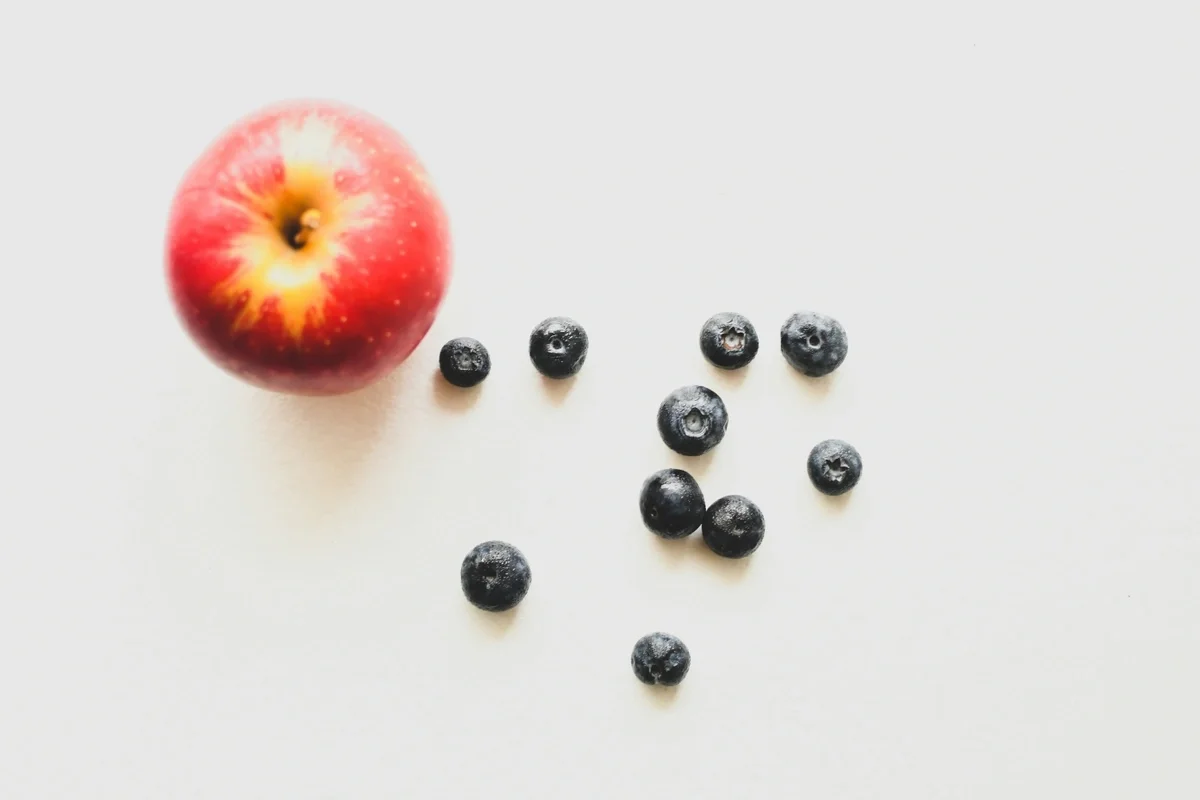
Berries, citrus fruits, peppers, tomatoes, and other colorful produce contain antioxidants that help protect cells—including eggs and sperm—from oxidative stress.
Foods to Limit
No food needs to be completely off-limits, but moderation is important.
Some dietary habits have been associated with poorer reproductive health and may be worth limiting when trying to conceive.
These include:
-
Trans fats
-
Highly processed foods
-
Sugar-sweetened beverages
-
Excessive alcohol consumption
-
Excessive caffeine intake
Current research suggests that moderate caffeine intake (generally less than 200 mg per day, or about one 12-ounce cup of coffee) is considered safe for most people trying to conceive or during pregnancy. Patients should discuss their individual recommendations with their healthcare provider.
Nutrition Matters for Men, Too
Nutrition isn't only important for egg health.
Healthy eating patterns may also support sperm count, movement, and morphology. Nutrients such as zinc, selenium, vitamin C, vitamin E, folate, and omega-3 fatty acids have all been studied for their role in male reproductive health.
Because sperm regenerates approximately every two to three months, healthy lifestyle changes—including nutrition—may take time before improvements are reflected in a semen analysis.
Nutrition During IVF and Egg Freezing
Patients often ask whether changing their diet before IVF or egg freezing will improve their results.
While nutrition alone cannot determine the success of treatment, maintaining a balanced diet before and during fertility treatment may help support overall health, hormone function, and egg development.
Combined with regular exercise, quality sleep, stress management, and avoiding tobacco products, good nutrition helps create the healthiest possible environment for reproductive care.
Should You See a Fertility Nutritionist?
Nutrition advice on social media can be confusing—and sometimes misleading.
If you have questions about fertility nutrition or have a medical condition such as PMOS, diabetes, endometriosis, or food allergies, working with a registered dietitian or fertility-focused nutritionist can help you develop a personalized plan that supports both your overall health and your fertility goals.
Small, sustainable changes are often more beneficial than restrictive diets or quick fixes.
The Bottom Line
There is no perfect fertility diet, but there are eating habits that support reproductive health.
Choosing a variety of whole foods, prioritizing nutrient-rich meals, staying hydrated, and maintaining a healthy lifestyle can all contribute to your overall wellbeing as you prepare for pregnancy or fertility treatment.
Nutrition is just one piece of the fertility puzzle—but it's one you can start working on today.
Categories
Welcome to the Aspire Fertility Blog! Nationally and internationally recognized for providing exceptional reproductive care, our team believes in empowering people with the knowledge they need to navigate their unique fertility journeys.
From information on the latest fertility treatments to valuable insights on egg donation, surrogacy, and everything in between, the Aspire Fertility Blog is your ultimate resource for all things reproductive care and support. Read on to learn more, and contact us today if you have any questions or want to schedule a new patient appointment.